Social health: a duty of care in the creator economy
Working conditions in the creator economy show why the industry needs to come together to support the community’s well-being
In 2025, Brazil’s social security system granted more than 546,000 temporary incapacity benefits related to mental and behavioral disorders. Anxiety and depression were the leading reasons for leave. Those figures point to something far bigger than individual vulnerability. They describe a culture, a way of organizing work that is making people ill on a large scale.
A recent update to NR-1, Brazil’s foundational workplace health and safety standard, added harassment, excessive workloads, unreasonable targets and a lack of psychological safety to occupational risk management. Compliance is only the starting point. The harder question for the industry is this: what kind of culture, ecosystem and community do we need to build so people can do their work without getting sick?
Researcher Kasley Killam proposes social health as a third pillar of well-being, alongside physical and mental health. Her argument is straightforward: the quality of our relationships determines the quality of our health. A sense of belonging, genuine connections, recognition, trust, reciprocity and places where people can listen and celebrate together are part of what makes working life possible.
The quality of our relationships determines the quality of our health.
That changes how we look at exhaustion. When we see an epidemic of burnout only through the lens of individual mental health, anxiety, depression and burnout can look like solitary experiences. We risk treating symptoms while leaving the cause untouched. Social health asks us to look around us, at the environments we create, the relationships we nurture and the ways we recognize one another, or forget to.
Here’s where community comes in. When we build it intentionally, we put the foundations of social health into practice. Think beyond a WhatsApp group or a follower count. A community is a place where someone knows you, challenges you, listens to you, celebrates you and grows alongside you. That helps explain why “community” has become one of the most widely used words in the creative economy, marketing and innovation over the past two years.
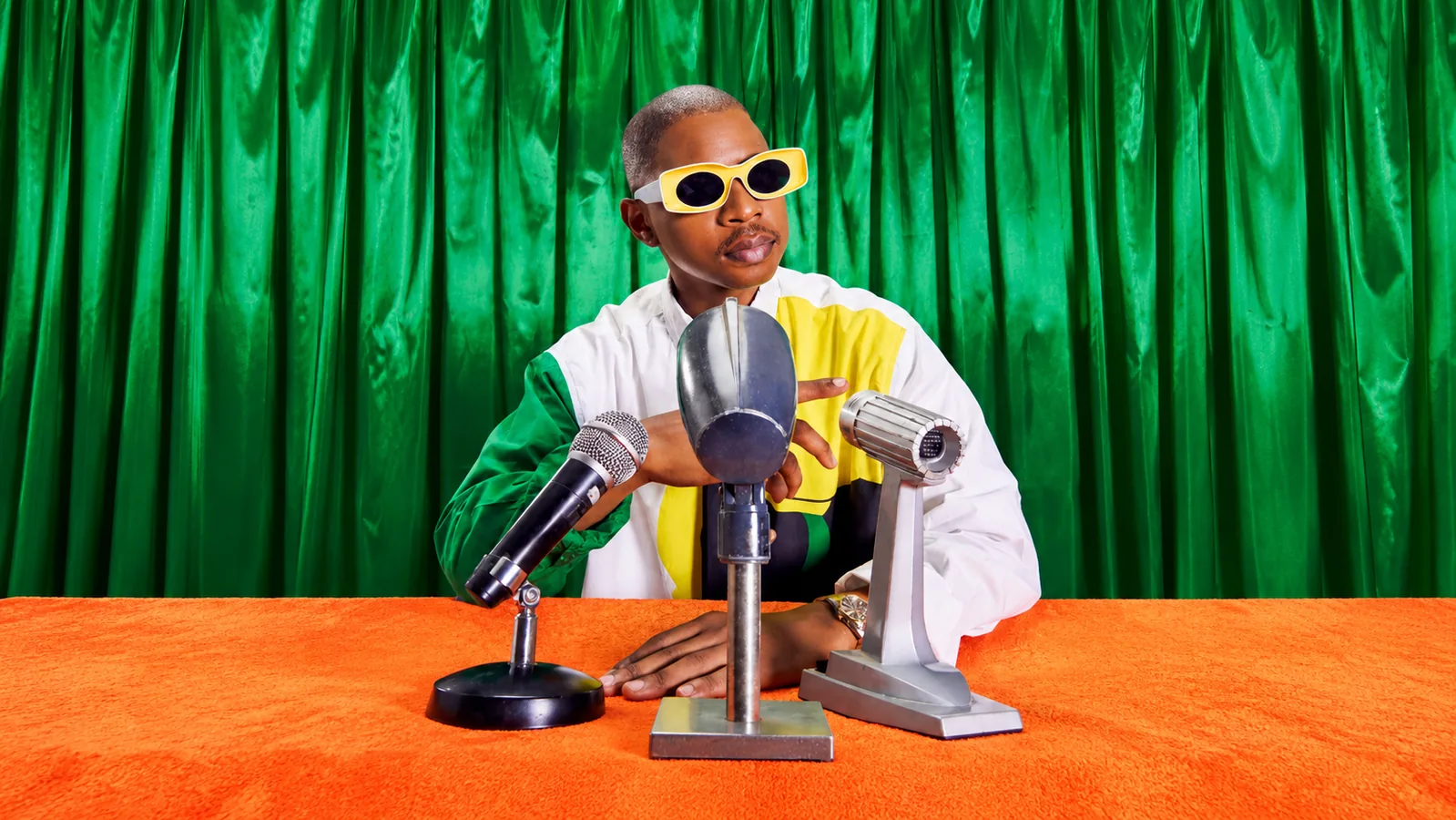
Few industries expose the tension between individual and social health as clearly as the creator economy. This growing market of more than 20 million creators has become a testing ground for working conditions that make people ill. Creators juggle at least ten jobs at once. They handle creative work, strategy, writing, editing, community management, entrepreneurship, finance, press relations and personal branding. Home becomes a studio. Private life becomes an asset. Reputation becomes currency. The algorithm becomes an invisible boss with no face and no contract. There’s no HR department, no set working day and no real vacation. Most creators have no team. Work and life bleed into each other. When everything becomes content, what stays private?
When everything becomes content, what stays private?
When people feel genuinely heard, when their work over time gets recognized, when even small wins get celebrated and there’s room to be vulnerable, something happens beyond well-being. You create the conditions for people to keep doing creative work.
Brands, agencies, platforms, hubs and creators need a new agreement on their responsibilities to the people who shape the cultural language of our time. We hire creators for their audiences and demand output, performance, authenticity and consistency. We also need to ask what it costs them to deliver all that. In the places where people are paying attention, a question is starting to surface: what are we building together beyond content?
Giving creativity the conditions to thrive is a strategic choice. It shapes your brand and helps you keep talented people. Increasingly, it will distinguish the ecosystems that thrive from those that exhaust their own creators. In the end, the most disruptive thing we can do today may also be the oldest: learn how to be together again. A sustainable creator economy depends on mental health. And mental health depends on social health.
Flint co-founder
Originally published in Meio & Mensagem
August 13, 2026 · 8:50 a.m.